
What Optical Shops and Estate Buyers Need to Know About Gold Filled Optical Frames
Old eyeglass frames don't get much respect. They pile up in optician storage rooms, show up in estate lots, and end up in drawers for years before anyone thinks twice about them. That's a mistake. Gold filled optical frames contain real, recoverable gold, and Specialty Metals Smelters and Refiners has processed enough of them to know they're worth taking seriously.
What "Gold Filled" Actually Means
The term gets misused constantly, so it's worth getting specific. Gold filled is not gold plated. Gold plated frames have a microscopically thin layer of gold applied through electroplating. Gold filled frames are manufactured through a completely different process: a thick layer of gold is mechanically bonded under heat and pressure to a base metal core.
Federal standards require gold filled material to contain at least 5% gold by weight, with that gold layer bonded permanently to the base metal. A frame stamped "1/20 12K GF" means one-twentieth of its total weight is 12-karat gold. That's a meaningful amount of actual gold. A frame stamped "1/10 14K GF" contains even more.
Gold plated frames, by comparison, might contain gold measured in microns. The recovery value is negligible. Gold filled is a different category entirely.
Why Optical Shops Are Sitting on More Value Than They Realize
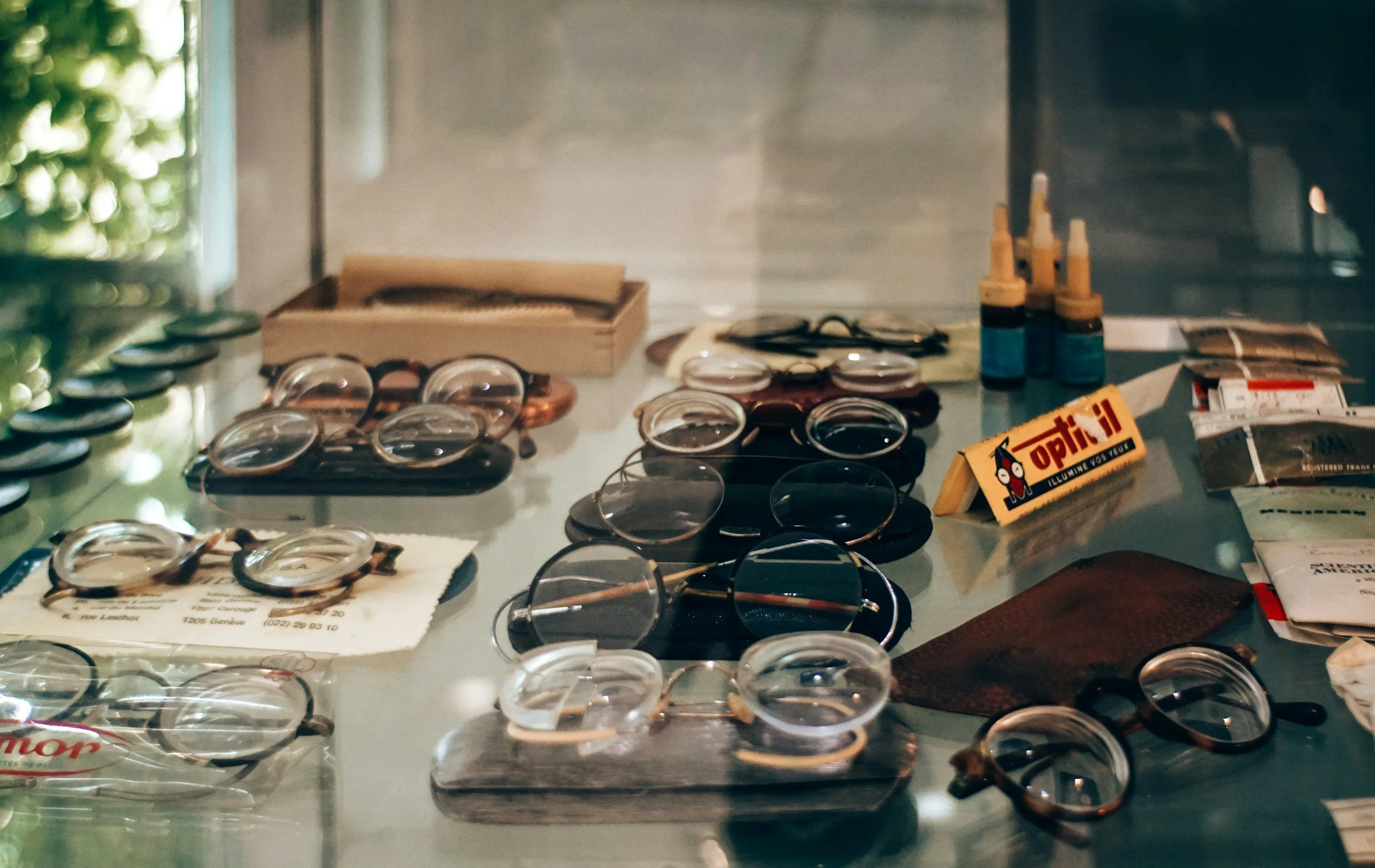
Opticians who have been in business for decades tend to accumulate old frame stock. Discontinued lines, trade-ins, broken frames, manufacturer samples. A lot of that inventory from the 1960s, 70s, and 80s was gold filled. The optical industry used gold filled material extensively during that period because it offered durability, a premium appearance, and better resistance to corrosion than the alternatives available at the time.
Frames from that era that look worn out or unsaleable still contain the same gold they always did. The gold doesn't degrade. What looks like scrap to an optician looks like recoverable precious metal to a refiner.
How to Identify Genuine Gold Filled Eyewear
The stamps are the starting point. Authentic gold filled frames are marked with the gold fraction and karat. Common markings include:
1/20 12K GF 1/10 14K GF 1/20 10K GF GF (on older frames where the full stamp has worn)
The stamps appear on the temples, usually near the hinge. On vintage frames, they may be faint and require magnification to read clearly. Frames without any stamp are more likely gold plated or gold tone metal with no real gold content.
Weight matters too. Gold filled frames are generally heavier than gold plated alternatives. That weight comes from the substantial gold layer bonded to the base metal. Anyone who has handled enough optical frames develops a feel for the difference.
What Makes Gold Filled Different from Solid Gold
Solid gold eyeglass frames exist, but they're rare. The material is expensive and, frankly, too soft for daily wear without significant alloying. Most vintage frames described as "gold" are gold filled rather than solid gold.
The distinction matters for refining. Solid gold frames have a different recovery process than gold filled material. Gold filled frames require processing that separates the bonded gold layer from the base metal core. Specialty Metals Smelters and Refiners handles both, but knowing what's actually in a given lot before it ships makes the whole process cleaner.
Why Durability Matters When It's Time to Refine
Gold filled optical frames sitting in storage for thirty years aren't degraded material. The same bonding process that made these frames resist tarnish during daily wear keeps the gold intact in a drawer, a bin, or a back room. The gold doesn't go anywhere.
That's the real difference from plated frames in a refining context. Plated frames that have been worn and stored often show significant wear to the gold layer. Gold filled holds up. The gold is still there, still bonded, still recoverable.
The People Who Call
Optical shops clearing old inventory are usually the first type. A practice that has operated for thirty or forty years accumulates things. Discontinued lines, trade-ins, broken frames, manufacturer samples from reps who haven't visited in fifteen years. A lot of that old stock is gold filled and nobody has thought about what that means.
Estate buyers and jewelry dealers come at it from a different angle. They pick up old eyewear as part of larger lots, set it aside because it doesn't fit their core business, and eventually need somewhere for it to go. Specialty Metals is that somewhere.
Precious metal scrap dealers are the third type. They work in other materials primarily but encounter gold filled optical frames often enough that having a refiner who handles them properly matters.
What the Recovery Process Looks Like
Specialty Metals Smelters and Refiners processes gold filled optical material through a refining process that separates the gold from the base metal substrate. The recovery percentage depends on the karat and fraction of the gold filling, the condition of the material, and the quantity being processed.
Because gold prices and market terms shift constantly, Specialty Metals provides estimates directly over the phone rather than publishing figures that can be outdated before a seller even makes contact. A call gets a current number based on actual market conditions, not a number from last week.
The Practical Question: Is It Worth Sending In?
Gold filled optical frames have real gold content, and Specialty Metals Smelters and Refiners works with businesses and individuals who have accumulated meaningful quantities. The minimum for processing is 100 troy ounces of gold filled optical material, so this is a conversation for optical shops with years of old inventory, estate buyers sitting on substantial lots, and dealers who have been setting gold filled eyewear aside over time.
For anyone who has hit that threshold and wants to know what their material is worth, the right move is to call Specialty Metals directly. Pricing and terms move with the market, and an accurate estimate requires a current conversation, not a number pulled from a website. The team at Specialty Metals Smelters and Refiners can assess the material, explain the process, and give sellers a realistic picture of what to expect.
Related Posts
Ask a Gold Refinery - What’s the Difference between Gold-Plated and Gold-Filled Eyeglass Frames?
3 Simple Steps: How to Find the Best Gold Refiner
Gold Refining: Why It Takes an Expert to Evaluate Your Gold-Plated Items
Some Fascinating – and Potentially Profitable – Facts You Never Knew about Refining Gold
What Is Karat Gold and How Can You Find Out What Yours Is Worth?