
Silver Contacts: The Small Parts With a Surprisingly Valuable Payoff
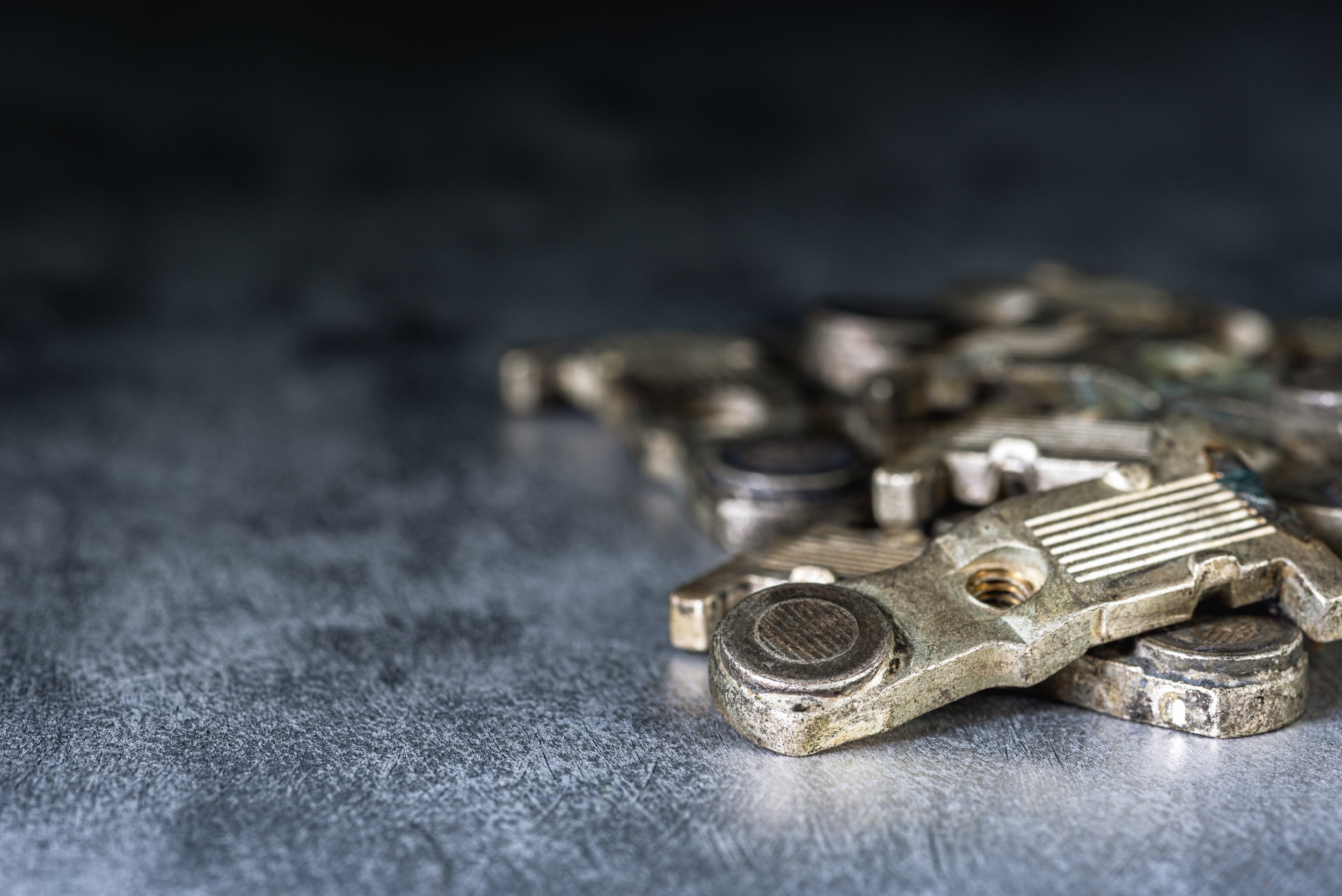
Most people who handle silver contacts don't realize that's what they're holding. The parts look like hardware: tiny metal discs, welded squares, small riveted buttons mounted on copper or brass. When industrial equipment gets pulled out of service, these components usually end up in the scrap pile without a second thought.
That's kind of the whole point.
Why Electrical Systems Use Silver in the First Place
Every time a relay trips, a contactor closes, or a circuit breaker opens, metal contacts slam together and separate. That creates heat, arcing, and corrosion. Silver handles those conditions without breaking down the way copper or aluminum would, which is why engineers kept specifying it for decades.
The contacts show up in a lot of places: relays, contactors, motor starters, circuit breakers, HVAC controls, elevator systems, telephone switching gear, railway equipment. Industrial control panels tend to have them in high concentrations. Elevator relay panels are a particularly well-known source among people who do this regularly.
The silver content is almost always part of an alloy. Silver combined with cadmium oxide, tungsten, or nickel depending on the application. Most contacts are smaller than a dime and thinner than they look.
The Volume Problem
A single silver contact contains a negligible amount of precious metal. There's no getting around that. The whole recovery model depends on accumulating large quantities over time, which is why this tends to appeal to people pulling equipment from factory shutdowns, electrical infrastructure removal, and large commercial demolition jobs rather than someone with a single old breaker panel.
A coffee can of contacts is a starting point. A five-gallon bucket is a different conversation.
Someone who has spent months pulling contacts off relays and starters from a facility shutdown is holding something worth processing. Someone expecting a meaningful return from one afternoon of work probably isn't going to find it here.
Older Equipment Is Worth More Attention
This part surprises people who assume newer is better. Manufacturers building industrial systems several decades ago were designing for long service life, not material cost efficiency. That meant heavier contacts with more silver content and less substitution with cheaper alloys than what gets built today.
Older telephone switching gear is a good example. So is heavy electrical infrastructure from earlier decades. The contacts tend to be physically larger and carry higher silver percentages than their modern equivalents. Post-1990 equipment isn't worthless, but the recovery math is tighter.
Experienced scrappers already know this. Vintage industrial equipment gets looked at more carefully for a reason.
What Actually Happens at the Refinery
Before anything gets processed, the contacts need to come off the copper and brass components they're mounted on. Sorting by type matters because different alloy compositions affect the refining process. Sending everything mixed together typically produces a lower return.
Assay analysis establishes actual silver content. The purity varies considerably depending on manufacturer, equipment age, and application. Assuming a standard percentage across all contacts is a common mistake.
Specialty Metals Smelters & Refiners processes silver contacts for industrial scrap operations and scrappers with meaningful accumulated quantities. The refining process involves melting, chemical separation, and assay confirmation. The company works with volume because that's what makes this material viable to process.
One thing worth knowing before collecting: silver-plated contacts, where a thin layer sits over a base metal, contain very little recoverable silver. They're not the same as solid alloy contacts and shouldn't be treated as equivalent. Knowing the difference matters before investing significant time in collection.
The Appeal
There's a reason silver contacts get talked about in scrapping circles. Hundreds of dollars worth of precious metal can fit in a small container. The components look like nothing. They come out of equipment that gets demolished and decommissioned constantly across manufacturing, utilities, transit, and commercial construction.
The payoff isn't quick. It requires consistent recovery over time and enough volume to make refining worthwhile. But for operations that are already pulling electrical equipment regularly, silver contacts are worth pulling off before the rest goes to the scrap yard.